“CULTURE AND CREATIVITY FOR THE WESTERN BALKANS” PROJECT
Project description
Digital Technologies for Cultural Landscapes, as DIGI.BA and CHwB-Kosovo project, is conceived as the realization of a peer-to-peer exchange and mutual learning process among cultural and creative organisations from the Western Balkans, aimed at strengthening regional dialogue and cooperation around the sustainable management, interpretation, and safeguarding of cultural landscapes and intangible cultural heritage in high-mountain areas of the Region; we plan to critically reflect together on methodologies, governance models, and practical solutions, rather than one-directional knowledge transfer. Our contribution is mainly, but not only, represented by digital innovation that is embedded in the peer-learning process, with particular attention to digitisation and immersive technologies such as Virtual Reality (VR) and Augmented Reality (AR). VR allows professionals and local stakeholders to explore and compare cultural landscapes, share management practices, and test scenarios in an immersive and low-impact environment. AR enhances on-site learning by providing contextual information during field visits and supporting participatory interpretation. DIGI.BA will share experiences in using digital tools for documentation, interpretation, and audience development, while hosting participants contribute perspectives on accessibility, educational use, and community engagement.
DIGI.BA experts will attend the activities at the hosting partner along with representatives of the Faculty of Agriculture and Food Science of the University of Sarajevo and of the Association of Protected Natural Area Managers in the Federation of Bosnia and Herzegovina.
These exchanges support the co-development of transferable digital concepts for presenting cultural landscapes and intangible heritage practices, eventually including oral traditions, seasonal rituals, traditional knowledge, and craftsmanship. Together, these technologies encourage innovative approaches to knowledge exchange, improve professional skills, and create new tools for sustainable tourism that increase visibility and visitor engagement while protecting fragile high-mountain cultural landscapes.
Project activities
Kick-off meeting
Held in Sarajevo on 25th August 2026. The representatives of DIGI.BA and CHwB Kosova agreed on the work plan and dates of project activities.
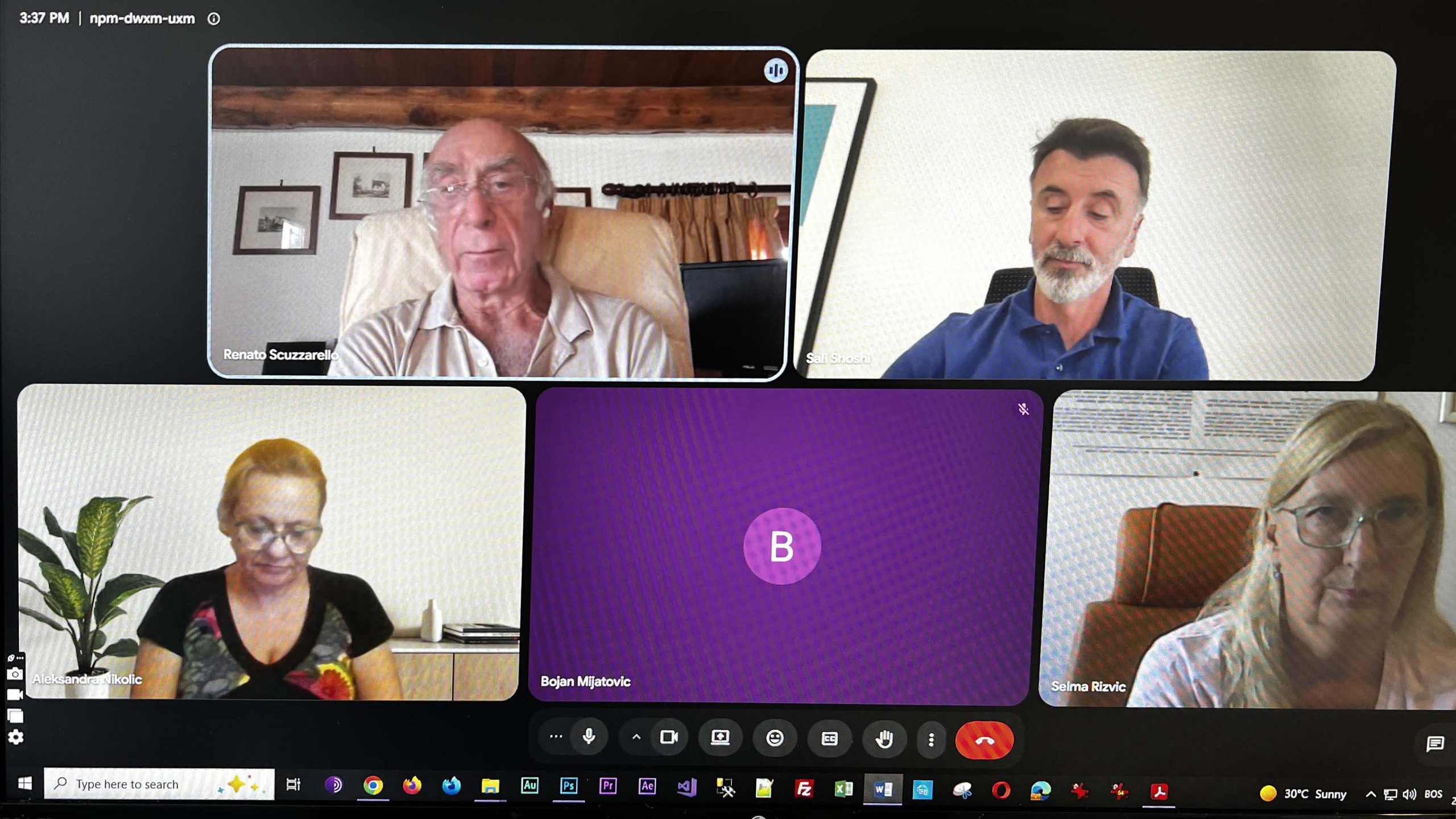
Digitising Cultural Landscapes – The Case of Ulpiana — A Digital & VR Heritage Exchange
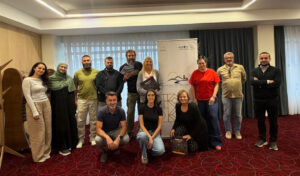
Over the course of three days, the “Digital Technologies for Cultural Landscapes” project brought together professionals and participants from the fields of cultural heritage, digital technologies and archaeological site interpretation, placing Ulpiana at the centre of discussions and practical work. The activity included field visits, presentations, virtual reality (VR) exercises and collaborative brainstorming sessions, focusing on new opportunities for experiencing, interpreting and promoting cultural heritage.
Day One: Exploring the Archaeological Site of Ulpiana
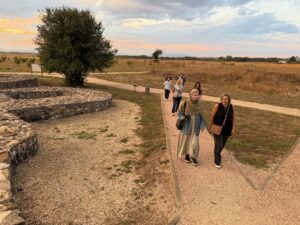
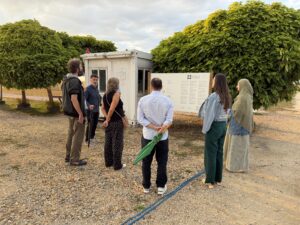
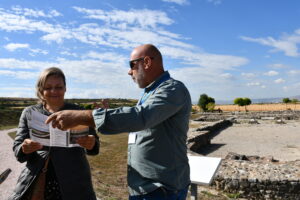
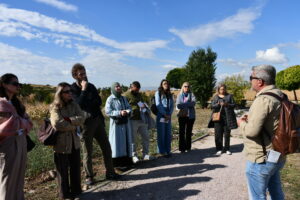
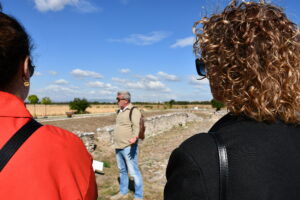
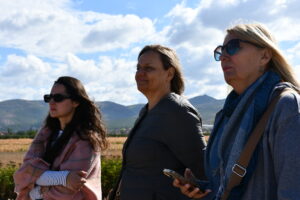
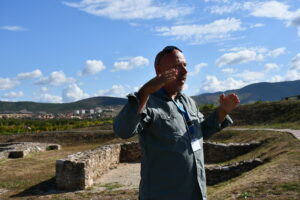
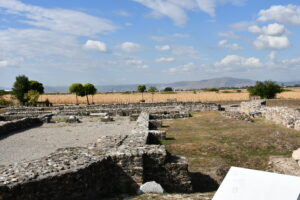
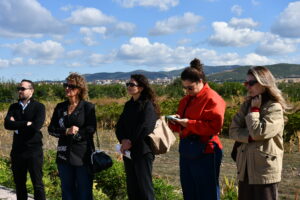
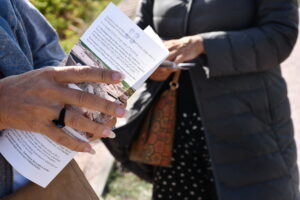
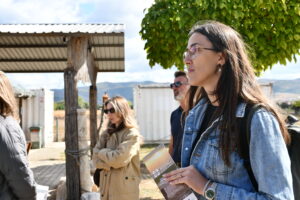
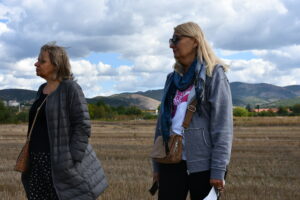
The conference began with a visit to the archaeological site of Ulpiana, where participants explored the site and gained a closer understanding of its cultural heritage values.
The field visit served as a starting point for discussions on approaches to site interpretation, visitor experiences and the potential of digital technologies to enhance the presentation of the archaeological site.
Day Two: Exchange of Experiences and VR Technologies
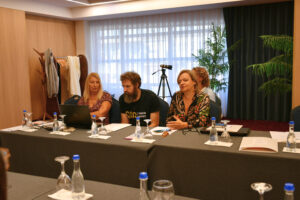
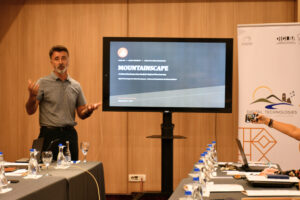
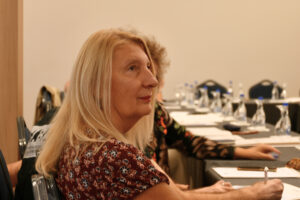
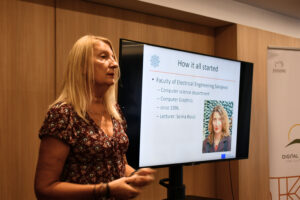
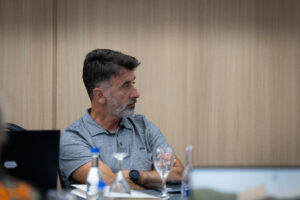
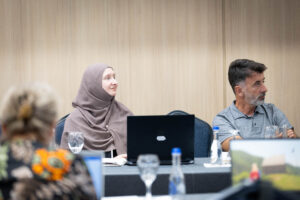
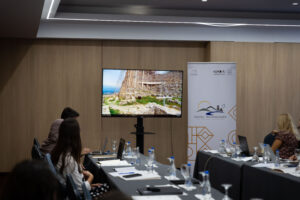
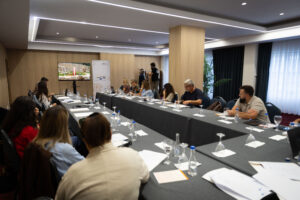
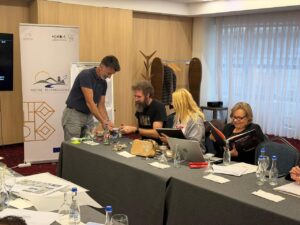
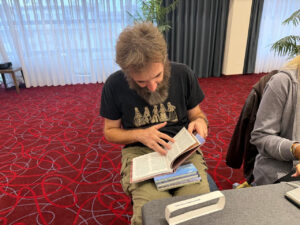
The second day took place at Hotel Sirius in Prishtina and focused on presentations, knowledge exchange and practical exercises.
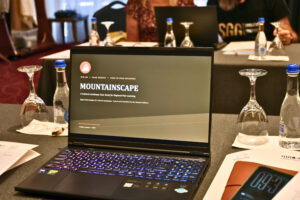
Sali Shoshi from CHwB Kosovo presented the Mountainscapes Project, while Selma Rizvić and Bojan Mijatović from DIGI.BA shared their experience and expertise in digital cultural heritage and virtual reality applications.
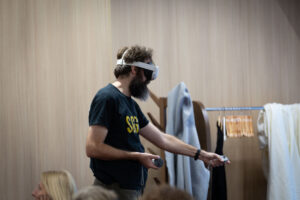
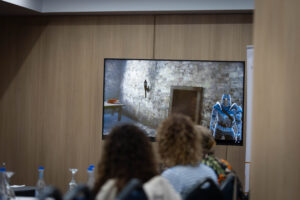
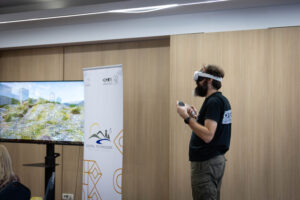
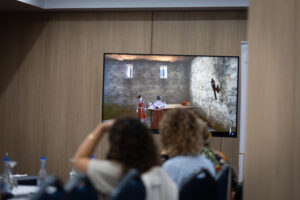
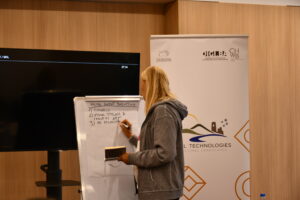
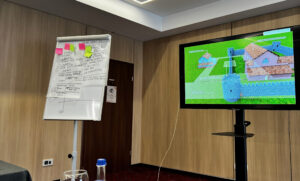
Through practical VR exercises, participants explored new ways of experiencing and interpreting cultural heritage. The programme also included brainstorming sessions focused on developing ideas for the interpretation and visitor experience at Ulpiana.

Day Three: From Fieldwork to a Digital Interpretation Concept
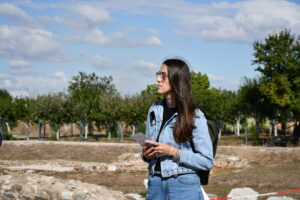
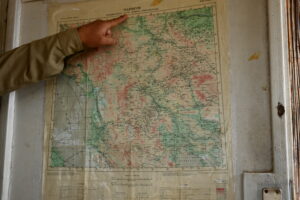
The third and final day began with a return to the archaeological site of Ulpiana, where participants engaged in a series of field activities. The agenda included mapping interpretation points, reviewing field evidence, analysing visitor routes and experiences, and assessing opportunities identified by DIGI.BA.
Following the fieldwork, the programme continued in Prishtina with the development of a map of field interpretation and digital opportunities for Ulpiana. Participants worked on an initial framework for the site’s digital interpretation concept, discussing ideas and opportunities for the future.
The day concluded with discussions on future priorities, the transferability of ideas to other contexts, and the next steps for collaboration. DIGI.BA’s experience in digital cultural heritage and VR technologies contributed to the exchange of knowledge and the exploration of new approaches to interpreting Ulpiana.
Collaboration for a Digital Future of Cultural Heritage
The three-day activity created space for collaboration among professionals, knowledge exchange and the development of practical ideas for using digital technologies in cultural heritage. By combining fieldwork, discussions and digital tools, the project aims to contribute to new approaches to interpreting cultural sites and enhancing visitor experiences.
Sarajevo meeting
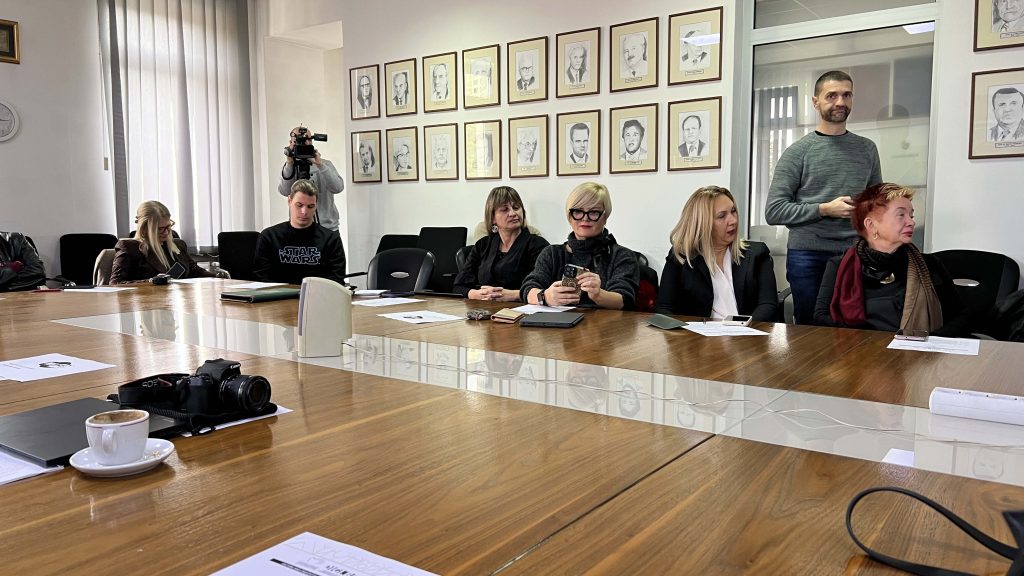
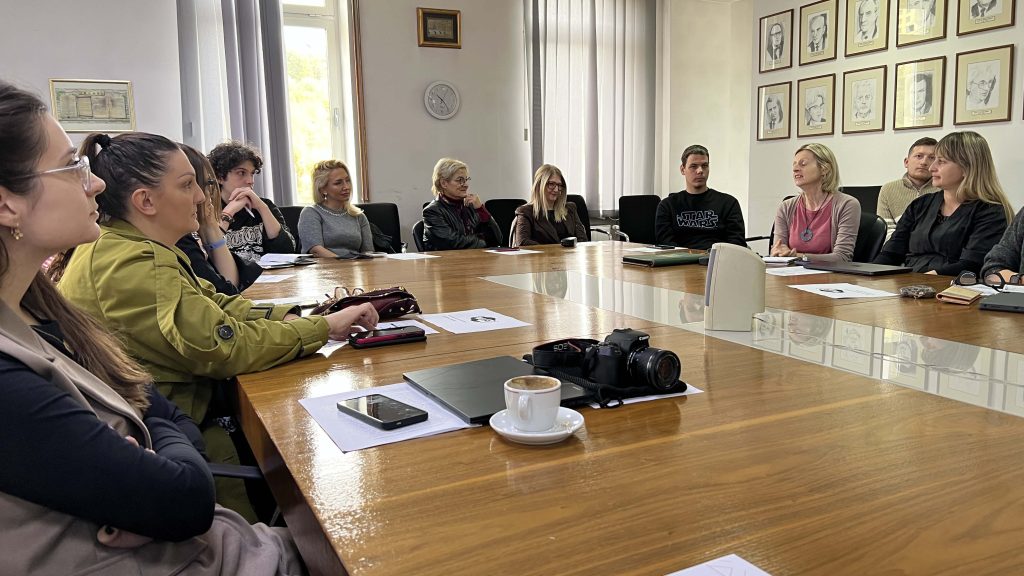
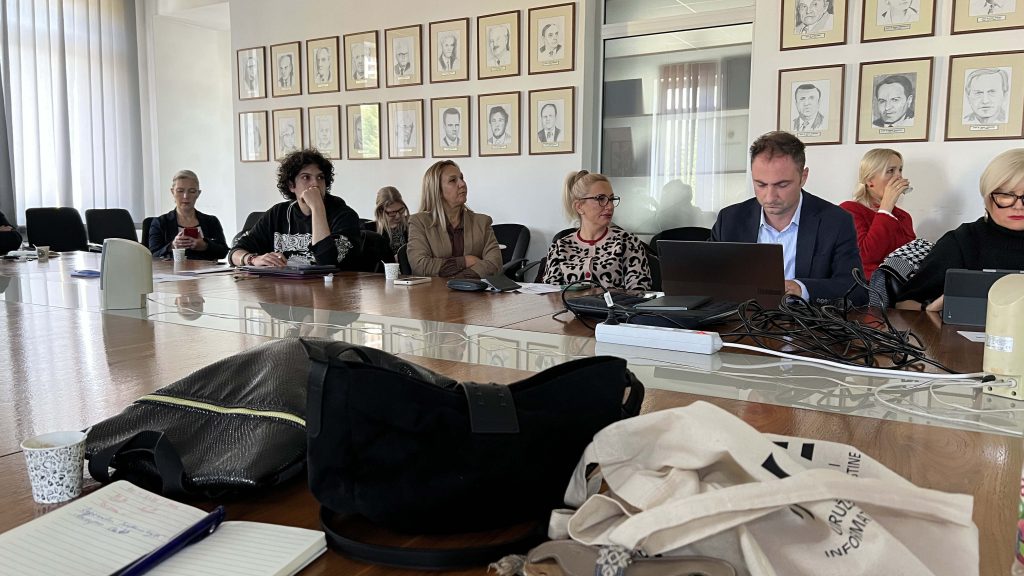
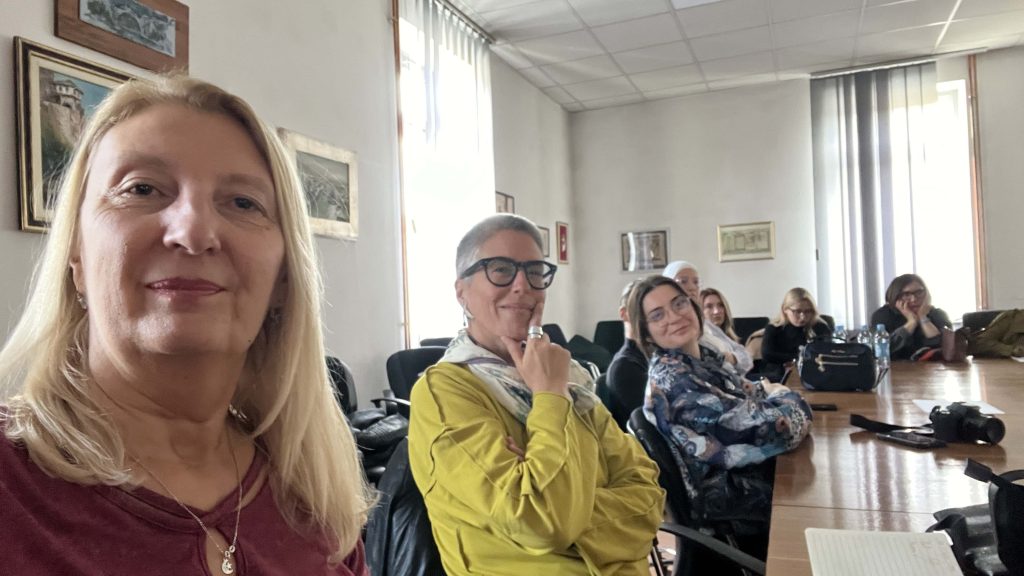
From 12-13th October in Sarajevo was held a workshop and a panel with objectives to disseminate project results, ensuring project sustainability, and fostering long-term collaboration. The events were hosted at the University of Sarajevo – Faculty of Agriculture and Food Sciences.
Day1: Dissemination workshop „Sustainable heritage – sharing good practices“
The event started with registration and a welcome address by the Minister for Higher Education of Canton Sarajevo, Prof. Dušanka Bošković. Prof. Aleksandra Nikolić and project coordinator Prof. Selma Rizvić greeted the audience and presented the Project objectives. In her presentation, Prof. Rizvić talked about sharing the knowledge and practice backbone of sustainable heritage practice. She shared DIGI.BA experience in several projects, particularly in EACEA grants SheLeadersVR and StecakLand. CHwB Kosova was represented by Rajmonda Jetullahu, who presented digital technologies and archaeological site interpretation: placing the Ulpiana case, Kosovo. Museum of Sarajevo was represented by the young curator Ajla Šahić, who talked about sustainable museum practices in Bosnia and Herzegovina, emphasizing the collaboration of the Museum of Sarajevo with DIGI.BA association.
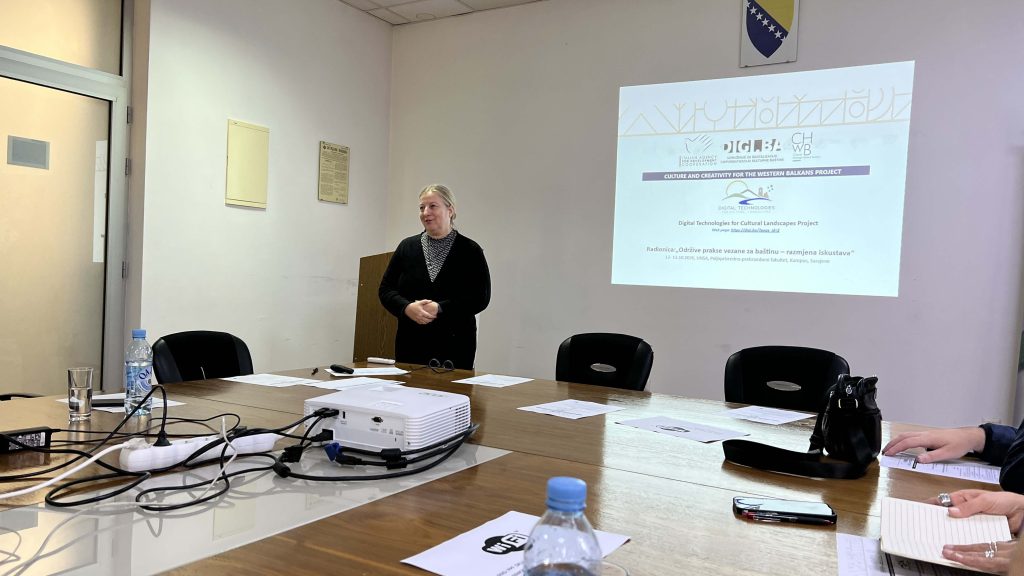
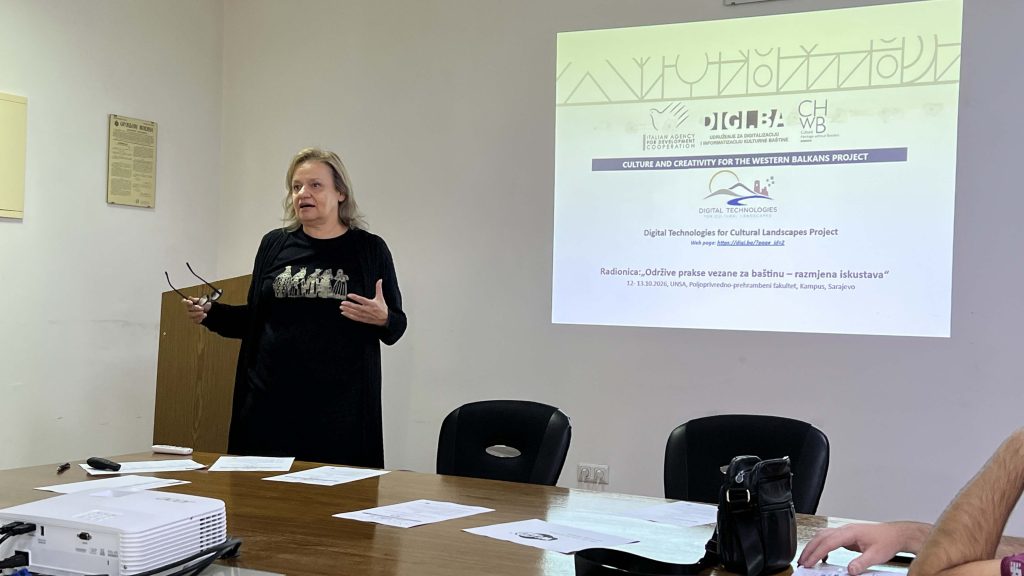
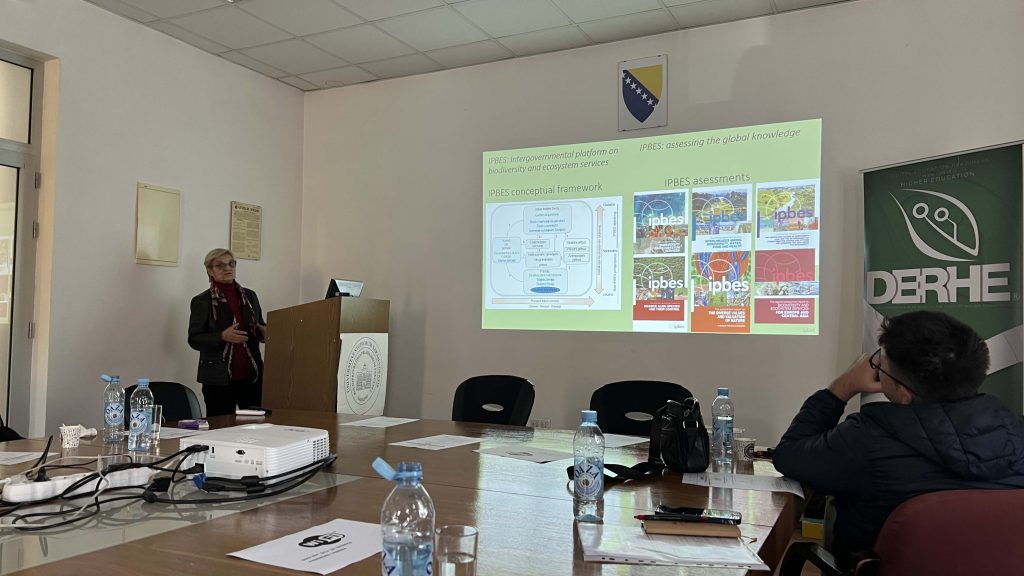
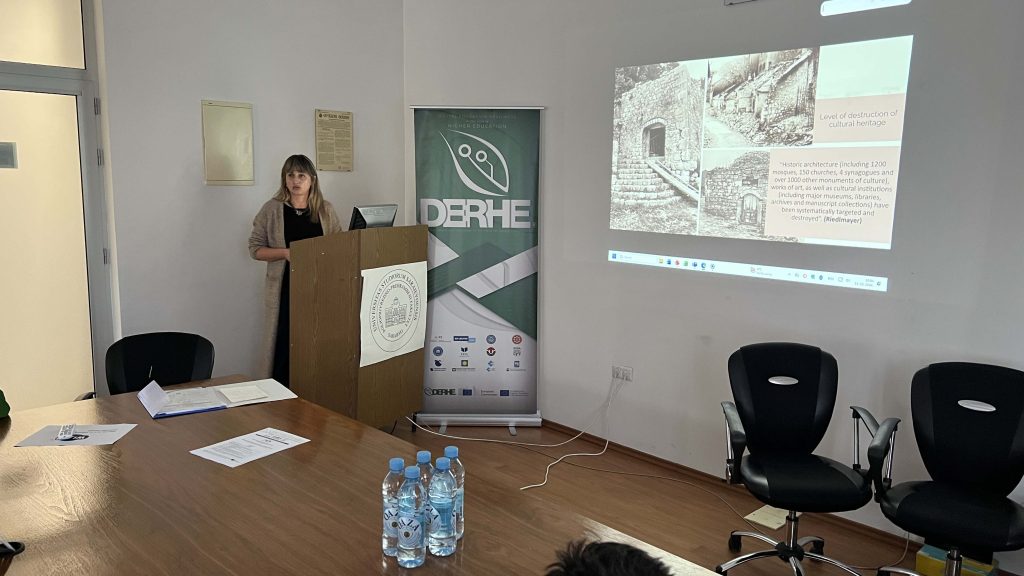
After a short break, Prof. Maja Pličanić, president of ICOMOS BH National Committee, presented the industrial heritage of Bosnia and Herzegovina and several ideas about its preservation and digitization. Prof. Senka Barudanović from the Biology Department of the Faculty of Natural and Mathematical Sciences, University of Sarajevo, presented her work in supporting decision-making and capacity building to support IPBES through National Ecosystem Assessment.
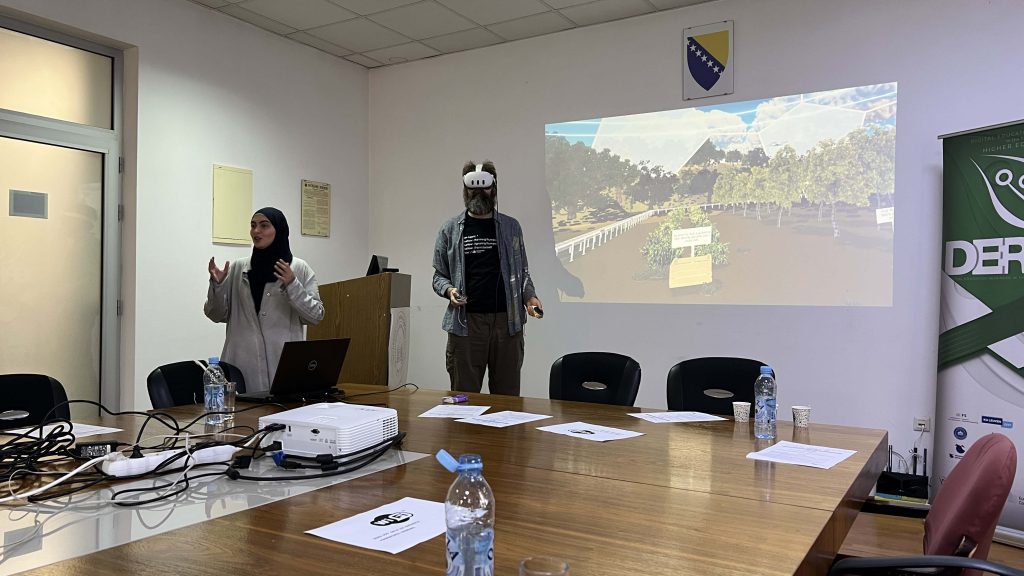
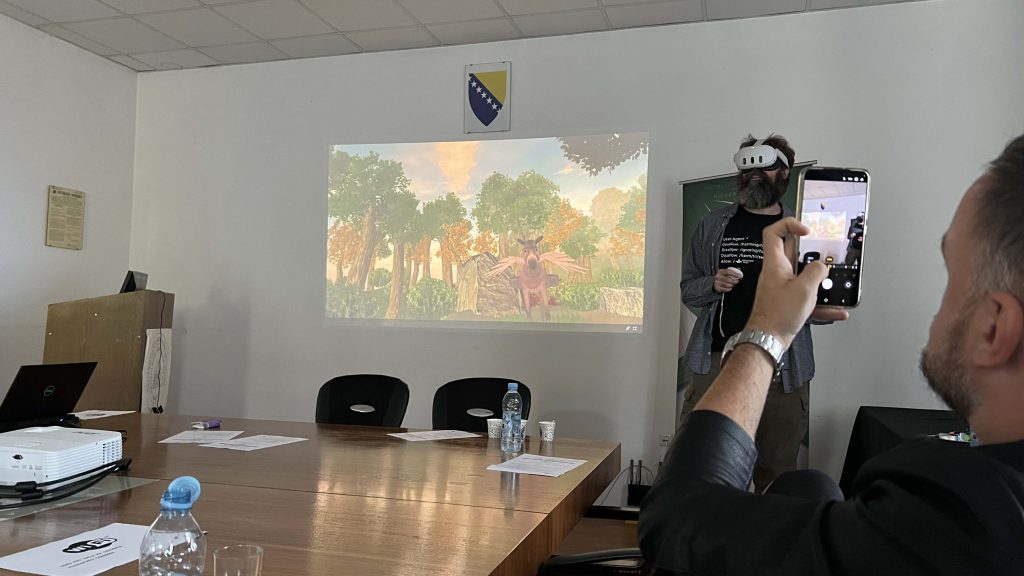
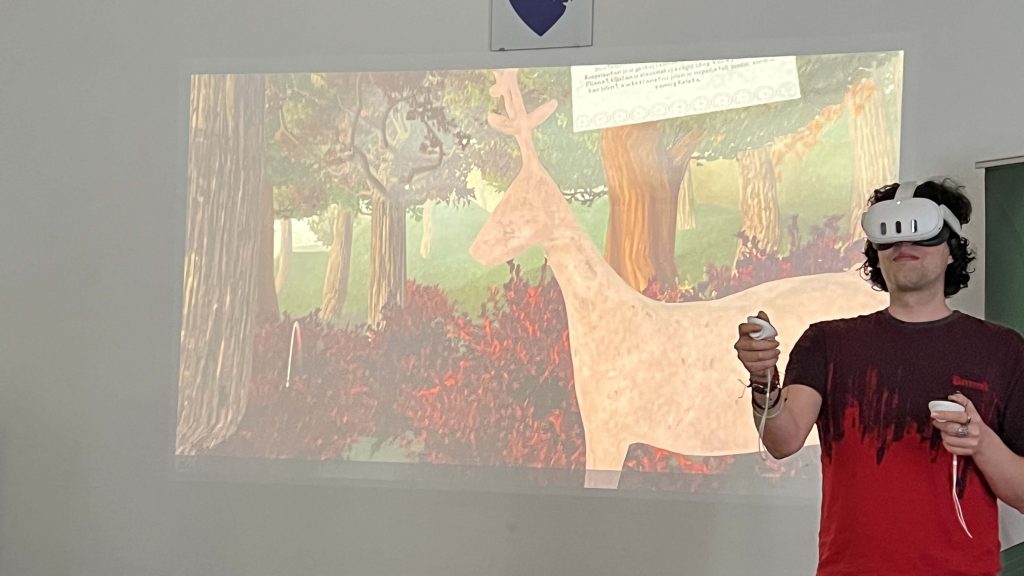
After lunch, the workshop was dedicated to showcasing digital technologies for cultural landscapes, including the educational game AgriTech, developed for the agricultural fair, and StecakLand VR application, which introduces the audience to the meanings of ornaments carved in famous “stecak” tombstones, listed as World Heritage by UNESCO. The workshop participants experienced Virtual Reality and agreed that it has enormous potential in sustainable heritage preservation and presentation.
The workshop has kindled a lot of interest in the heritage community, as well as the government institutions of Canton Sarajevo and Bosnia and Herzegovina, as a number of their representatives attended and took part in the discussion.
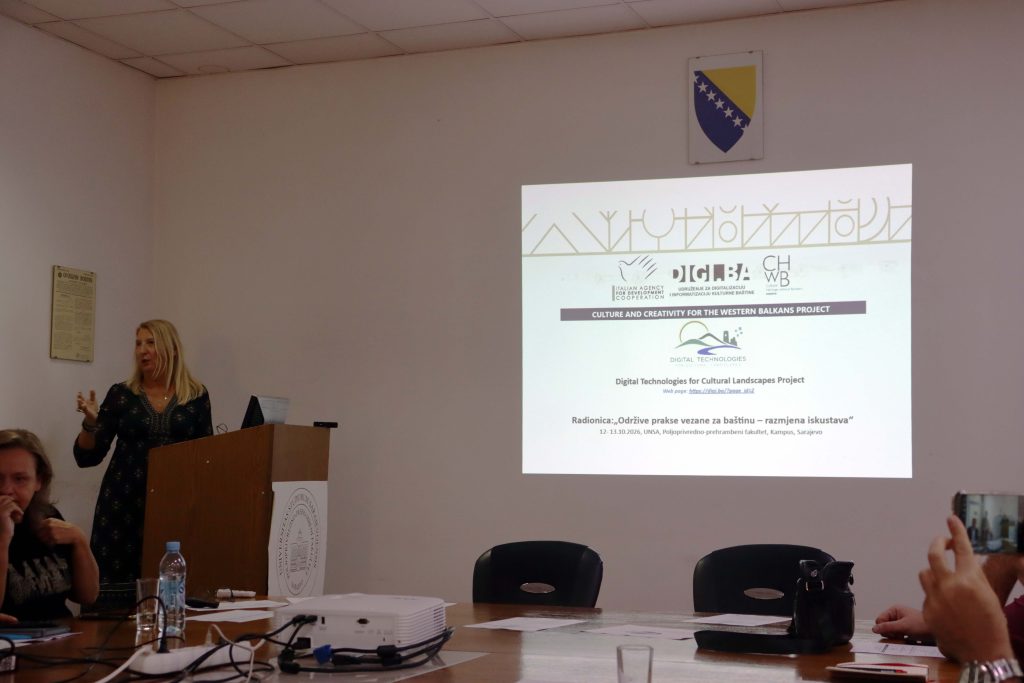
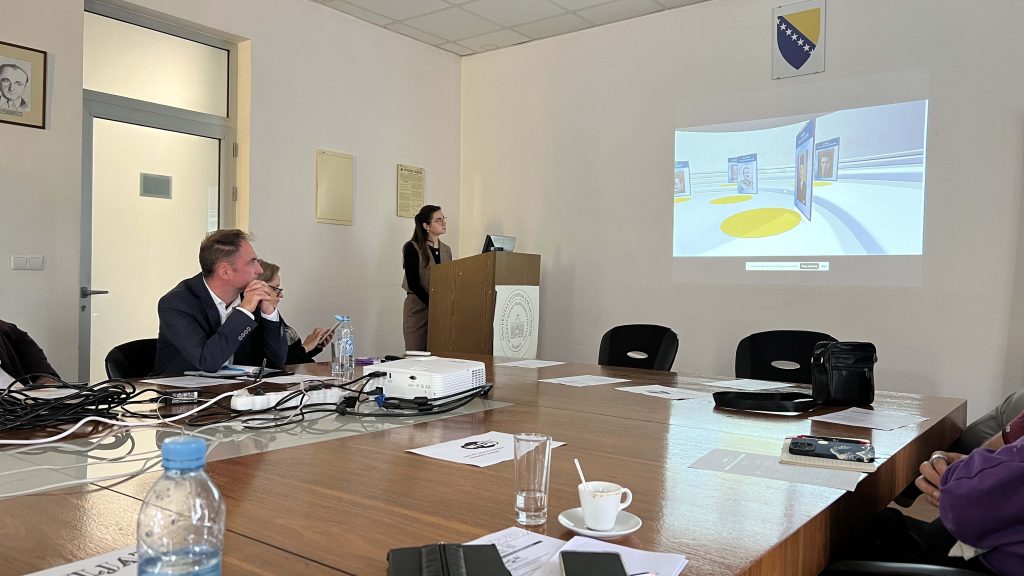
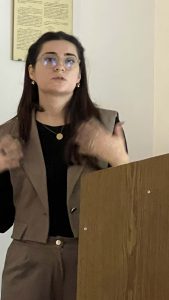
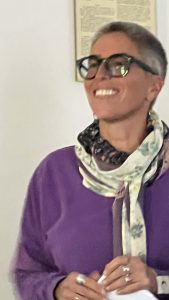
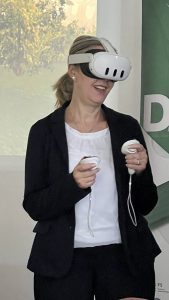
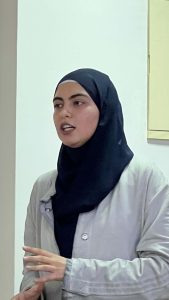
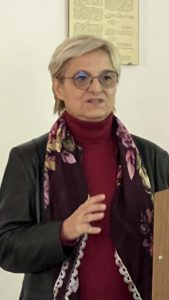
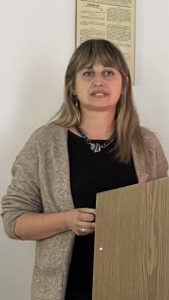
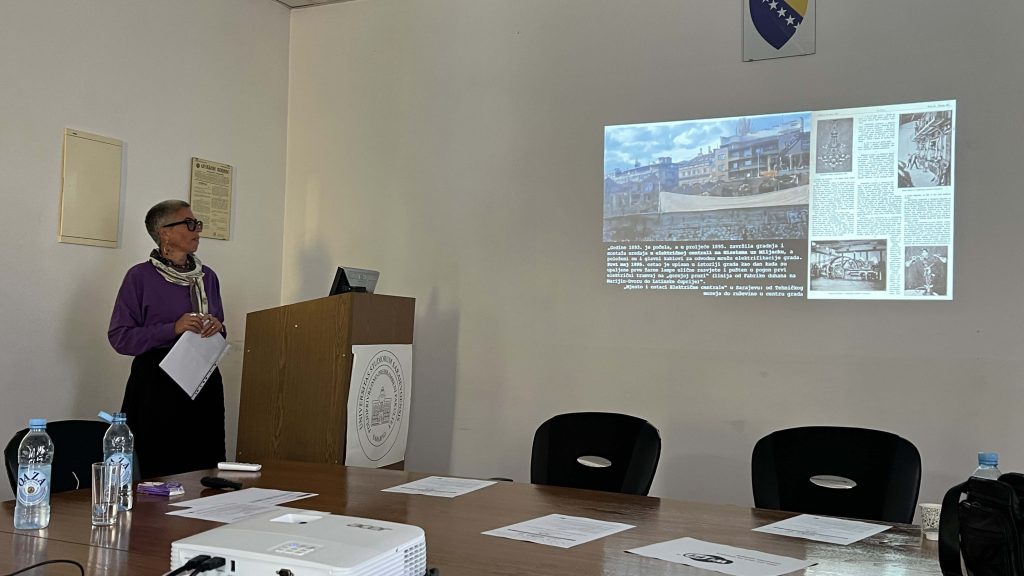
Prof. Maja Pličanić, ICOMOS BH president
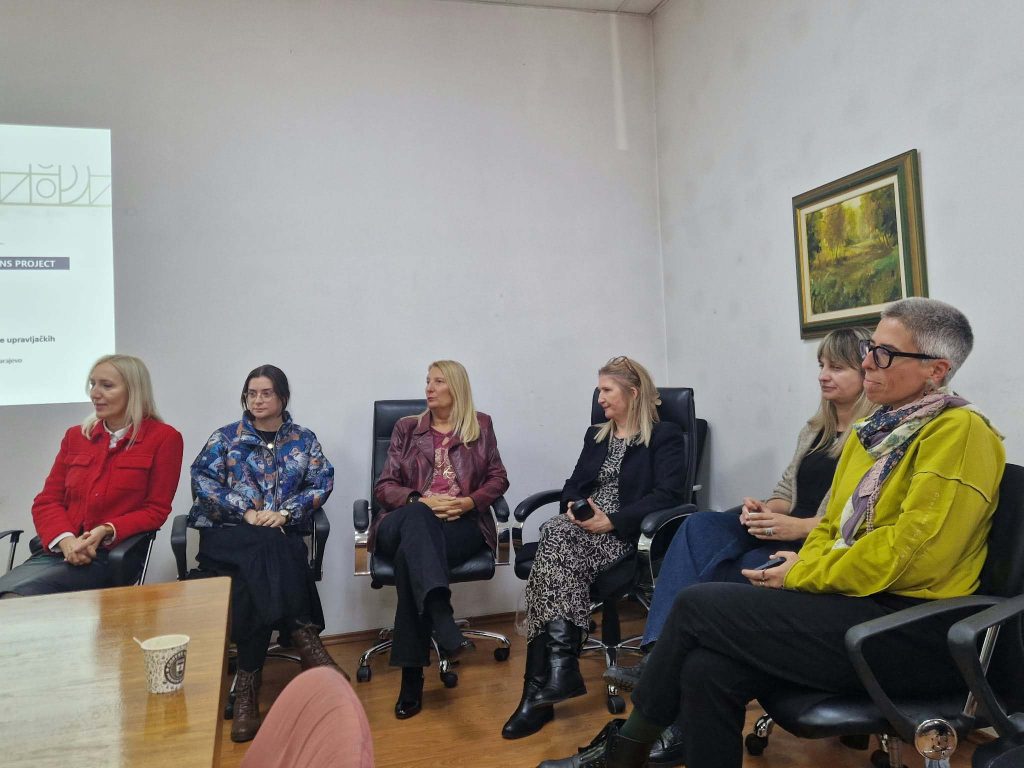
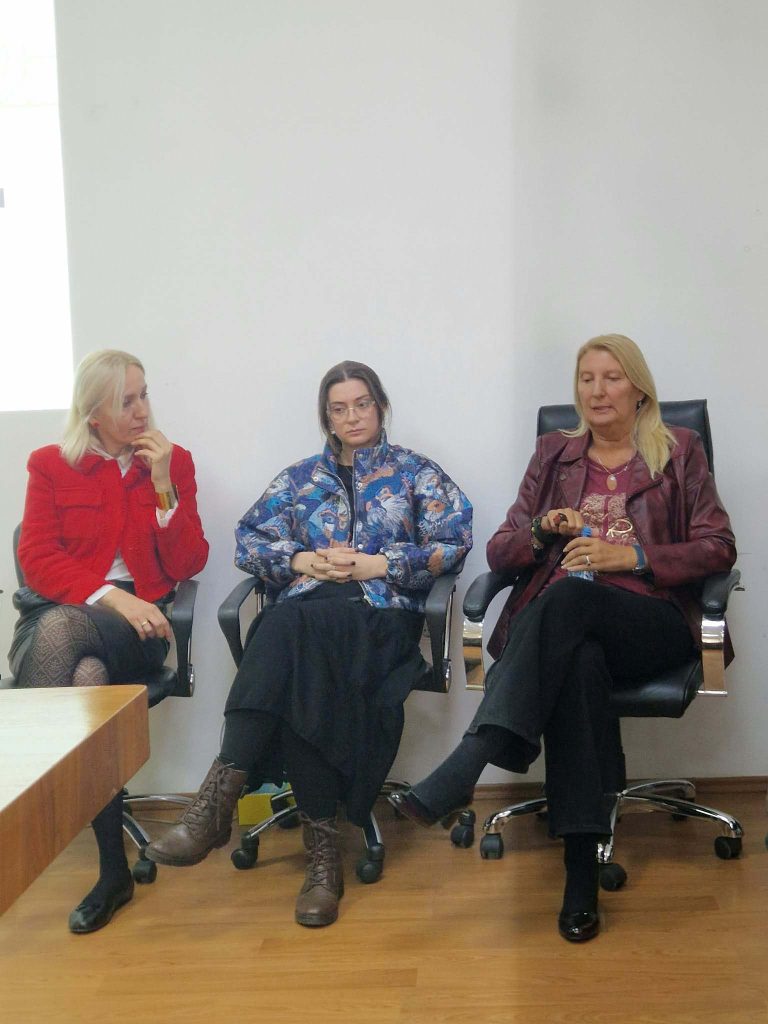
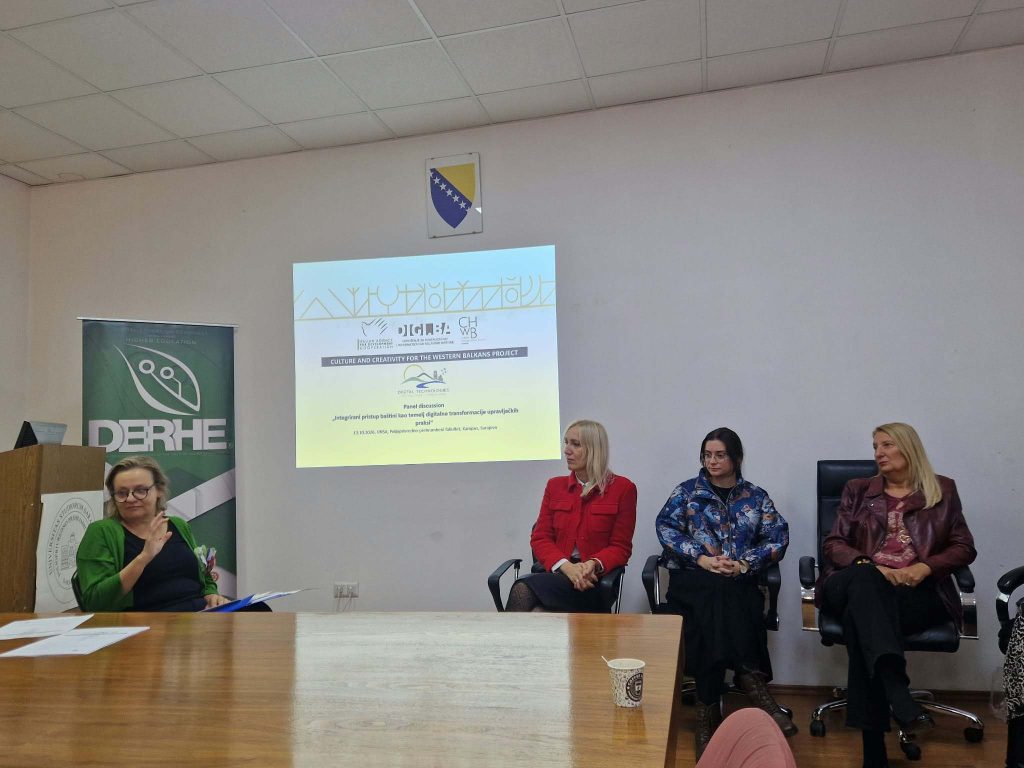
Day 2: Panel discussion „Integrated heritage approach as a backbone of digital transformation of management practices“
The event has started by the presentation of Adisa Džino-Šuta, president of CHWB BH. She presented the lessons they learned through almost 20 years of their work in cultural heritage preservation. After the presentation, a panel discussion entitled “Integrated heritage approach as a backbone of digital transformation of management practices” was held. The panelists were Prof. Selma Rizvić, Ajla Šehić, Prof. Maja Pličanić, Prof. Lada Lukić Bilela, a speleobiologist, Adisa Džino-Šuta, and Azra Džigal, a sustainable tourism expert. The panel was moderated by Prof. Aleksandra Nikolić. It was very interesting discussion about the experiences of the panelists in introducing digital technologies into natural and cultural heritage practices, and new ideas for enhancing that process in order to support the growth of cultural tourism.
This website was created with the financial support of the European Union through the project ‘Culture and Creativity for the Western Balkans’ (CC4WBs) implemented by the Regional office of the Italian Agency for Development Cooperation in Tirana. Views and opinions expressed are, however, those of the author(s) only and do not necessarily reflect those of the European Union or AICS as a granting authority. Neither the European Union nor the granting authority can be held responsible.